Wisdom is Weaponry
Support Chanakya Forum. Fuel the mission
Explosion reported near tanker off Oman coast, crew safe: UKMTO
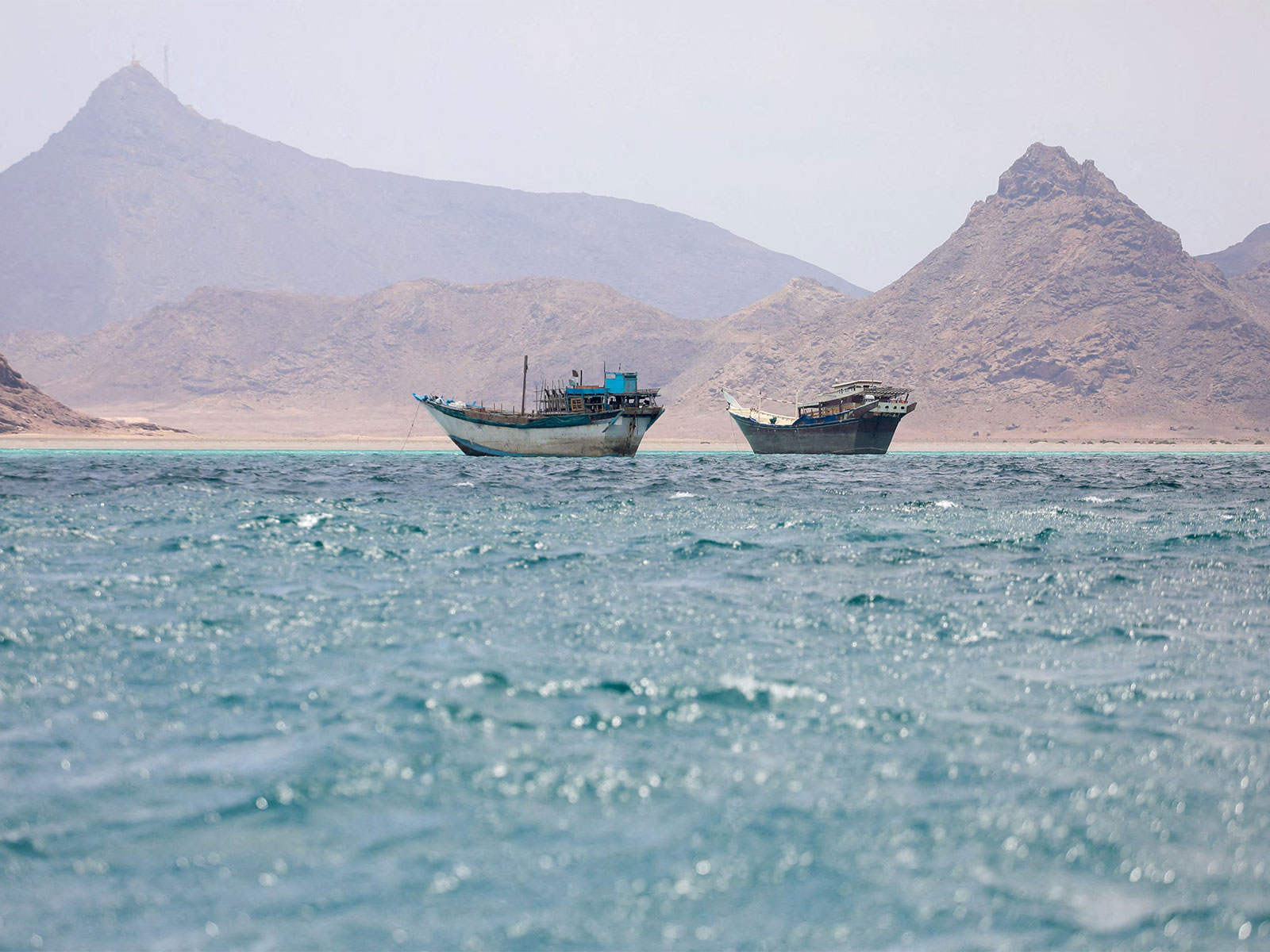
Muscat [Oman], August 3 (ANI): The United Kingdom Maritime Trade Operations (UKMTO) reported an explosion in close proximity to a tanker off the coast of Oman on Sunday.
According to UKMTO, the incident occurred approximately 20 nautical miles northeast of Khasab, Oman. It confirmed that all crew members and the vessel are reported to be safe following the incident.
Maritime authorities have launched an investigation into the event. Meanwhile, the UKMTO has advised all vessels transiting the area to exercise caution and immediately report any suspicious activity to the agency.
The maritime security scare comes as Iranian Foreign Minister Abbas Araghchi stated that negotiations between Tehran and Muscat regarding the management of the strategic Strait of Hormuz are "nearing completion". Updating the Cabinet on the status of discussions with Oman on Sunday, Araghchi highlighted significant headway in the dialogue, according to Iran's state-run IRNA news agency, remarking that the parleys are "in their final stages" while withholding further specifics.
Elaborating on the diplomatic track, Iranian Foreign Ministry spokesperson Esmaeil Baqaei told state television that an understanding with Oman, which shares the strategic passage, over a revised shipping lane was imminent.
"We are now going to reach an understanding on a route acceptable to both sides, neither the northern route nor the southern route, but one that respects the sovereign rights of both sides and safeguards our national interests and security," Baqaei said, while clarifying that any prospective agreement with Muscat would not automatically translate into the full reopening of the strategic waterway.
The dispute over transit rights through the vital waterway triggered the latest round of military strikes last month after Tehran restricted shipping to a channel hugging the Iranian coastline. Meanwhile, maritime intelligence firm Kpler reported on Friday that vessel movement through the Strait of Hormuz has registered a sharp decline.
These regional developments coincide with US President Donald Trump announcing that Washington and Israel have concurred on deferring planned military strikes on Iran, maintaining that the "parameters" of a potential agreement have been established. Military hostilities between the adversary nations erupted on February 28 following surprise joint strikes by the US and Israel on Iranian targets, with subsequent rounds of intermittent diplomacy producing periods of fragile calm.
Fears of a fresh regional escalation had surged last month following a resurgence in strikes. Trump had previously threatened to target Iran "very hard", with reports indicating potential strikes on key energy infrastructure, putting American diplomatic missions across the Middle East on high alert.
However, the US President signalled a shift in strategy following intense diplomatic engagements. Speaking to reporters on board Air Force One, Trump confirmed that discussion channels were active and that negotiations with Iran, expected to take place through intermediaries, are scheduled to commence on Monday afternoon.
"We are talking to them [the Iranians] in the form of a negotiation; it begins tomorrow afternoon, and we'll see how it goes. I'd love to do that. It'll save a lot of lives, a lot of unnecessary power, to be honest with you. We are ready to go whenever we want. Would I rather make a deal? I'm not looking to kill people, because a lot of people die; we don't want that. So they asked us, Iran specifically, but the other three, they asked us," Trump said.
The US President revealed that diplomatic engagements involving Saudi Arabia, the United Arab Emirates, Qatar and Iran led him to halt what was originally planned as a "massive attack" on Friday, including a key conversation with Saudi Arabia's Crown Prince Mohammed bin Salman.
Taking to his Truth Social platform, Trump elaborated, "We have just been asked by Iran, and other Middle Eastern Countries, to hold off any attack in that the parameters of a deal have been agreed to."
He added, "Based on this request, I have agreed, for the future benefit of the WORLD and, likewise, the survival of a successful and prosperous Iran, to cancel the attack, subject to being able to rapidly make a DEAL."
While the exact parameters of the diplomatic negotiations referenced by the US leader remain unclear, Iranian media outlets refuted assertions that Tehran had solicited a pause in American military action.
The Strait of Hormuz, a critical maritime corridor for global oil and gas transport, continues to sit at the core of these diplomatic efforts. Prior to the outbreak of hostilities, the waterway permitted unhindered commercial transit. Following the conflict's onset, Iran shut the maritime passage, demanding continued oversight and transit tolls, an arrangement firmly rejected by Washington.
Outlining the conditions for any prospective resolution, Trump emphasised that a final agreement must incorporate the "Immediate, Complete and Total OPENING OF THE HORMUZ STRAIT, and an end to Iran's nuclear threat".
At the conflict's commencement, the US administration maintained that military action was imperative to neutralise Iran's nuclear ambitions. Western powers contend that Tehran is pursuing nuclear weapons capabilities, whereas Iranian authorities maintain that the programme remains strictly designated for civilian purposes.
Trump further indicated that an agreement could be reached regarding the management of the Strait of Hormuz, while asserting that an accord would be established concerning the denuclearisation of Iran. (ANI)